

Finance
How to Build an Emergency Fund in the UK Without Giving Up Your Friday Pint
Last updated: September 2026 (2026/27 tax year)
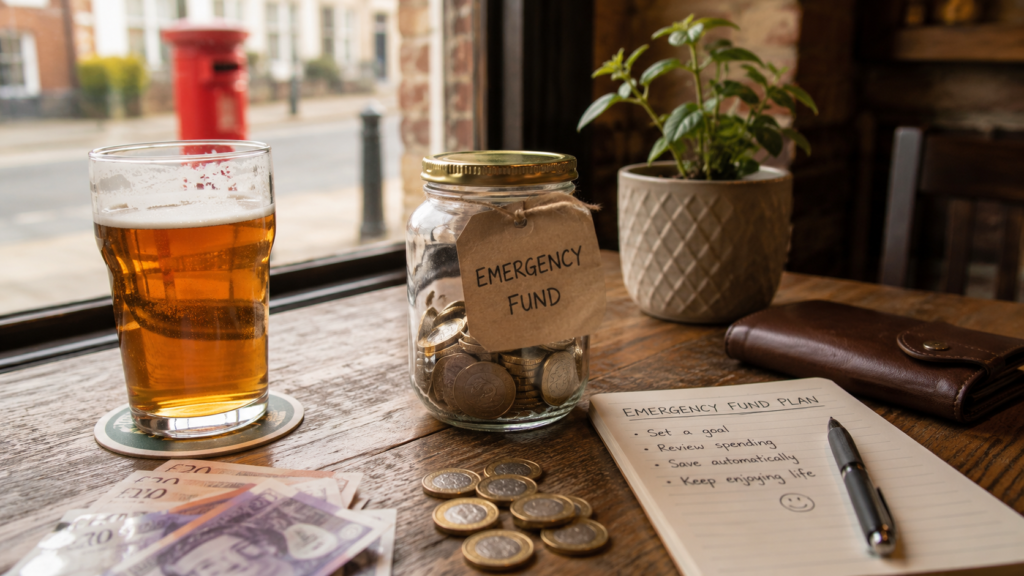
An emergency fund is the financial move that stops a bad week from becoming a bad year. Here’s exactly how to build one in the UK – including where to keep it and how fast you can realistically get there.
TL;DR
- Target: 3 months of essential expenses in easy-access cash. Start with 1 month if 3 feels impossible.
- Essential expenses = rent/mortgage, food, utilities, transport, minimum debt payments. Not Netflix.
- Keep it separate from your current account – same-day access, but not instant-temptation access.
- Keep it in a separate easy-access savings account or Cash ISA. Compare current rates, access rules and withdrawal restrictions before choosing an account.
- Don’t invest this money. Its job is to be boring and reliable.
Why 3 Months? Why Not More?
Three months covers the most common financial emergencies: job loss while you find a new role, a car breakdown, boiler failure, unexpected medical costs, or a tenancy deposit on a sudden house move. Most disruptions resolve within that window.
For most employed UK workers with steady income, three months of essential expenses is a reasonable starting point. If your income is less predictable – self-employed, contract work, or a single income supporting dependants – a larger buffer is often safer.
Calculate Your Number
Your emergency fund target is based on essential monthly outgoings only – not your full spending. Here’s how to work it out:
| Expense type | Include? | Example amount |
|---|---|---|
| Rent or mortgage payment | Yes | £900 |
| Council tax | Yes | £150 |
| Gas & electricity | Yes | £110 |
| Food (basic, not dining out) | Yes | £200 |
| Transport to work | Yes | £80 |
| Minimum debt payments | Yes | £120 |
| Phone bill | Yes | £25 |
| Subscriptions (Netflix, Spotify, gym) | No – pause these in a crisis | – |
| Takeaways, holidays, clothing | No | – |
| Total essential monthly | £1,585 | |
| 3-month emergency fund target | £4,755 |
Emergency Fund Planner
Work out your target, how much is left to save and when you could reach it.
£500 to go.
This is a rough planning estimate. It assumes regular contributions and no withdrawals. Interest is not included, so an interest-paying easy-access account or Cash ISA may help you reach the target slightly sooner.
Where to Keep It
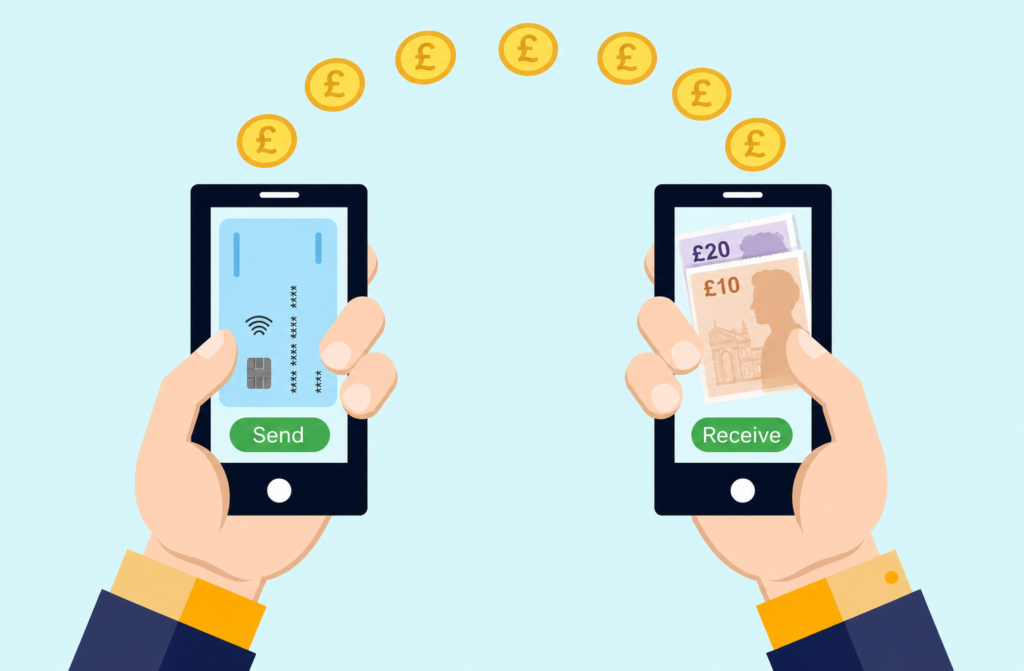
Original ShireQuid graphic – no stock-photo dependency.
The emergency fund has two jobs: earn a decent return while you’re not using it, and be available within 24 hours when you need it. Those requirements point to the same product:
Easy-access savings account
The standard choice. Compare current easy-access accounts, including their interest rates, withdrawal limits and transfer times. Interest outside an ISA may be taxable, although the Personal Savings Allowance can cover some or all of it: £1,000 of interest a year for basic-rate taxpayers, £500 for higher-rate and £0 for additional-rate taxpayers in 2026/27. From April 2027 the tax rates on savings interest go up by 2 percentage points, so interest above your allowance will cost a little more.
Cash ISA (easy-access)
Tax-free interest, counts toward your £20,000 ISA allowance for 2026/27. From 6 April 2027, people under 65 can put up to £12,000 a year into Cash ISAs (the overall ISA allowance stays at £20,000). Better if you’re a higher-rate taxpayer or have significant savings earning interest elsewhere. Same-day or next-day access from most providers.
Check the protection: make sure the bank or building society is covered by the FSCS. Since 1 December 2025 it protects up to £120,000 per person, per banking licence. Some brands share one licence, so check before splitting money between them.
How Fast Can You Build It?
Depends entirely on how much you can set aside per month. A few scenarios:
| Monthly savings | Target: £3,000 | Target: £5,000 |
|---|---|---|
| £50/month | 5 years | 8+ years |
| £100/month | 2.5 years | 4 years |
| £200/month | 15 months | 2 years |
| £400/month | 7.5 months | 12 months |
Windfalls accelerate this dramatically – a tax refund, bonus, or selling something you don’t need can cut months off the timeline. Earmark those for the emergency fund first.
Practical Tips for Getting There
Set up a standing order on payday
Even £50. The money leaves your current account before you can spend it. Automate the habit.
Name the account something useful
“Emergency Fund – Do Not Touch” is more effective than “Savings 2.” Silly, but it works.
Round up every transaction
Apps like Monzo and Starling round purchases to the nearest pound and move the difference to savings. Small amounts add up.
Put any windfall straight in
Tax refund? Overtime pay? Sold something? First destination is the emergency fund until it’s full.
Top up after every use
If you dip into it, treat restoring it as the new priority – before discretionary spending and before investments.
Should I pay off debt or build an emergency fund first?
Both at once, in small amounts. Build £500–£1,000 first (covers most minor emergencies), then aggressively pay down high-interest debt, then return to building the full 3 months. Doing debt-only with zero buffer means any setback goes back on the card.
Can I use a 0% credit card as my emergency fund?
Technically possible, but bad idea. Credit can be withdrawn or reduced at any time. The whole point of an emergency fund is that it’s completely unconditional access to cash.
What about Premium Bonds?
Premium Bonds can be useful for part of a larger emergency fund. Money held with NS&I is backed 100% by HM Treasury, and prizes are tax-free. You can hold from £25 to £50,000. Withdrawals are not instant (they usually take a few working days), so keep enough in an easy-access account for immediate costs.
Sources
- GOV.UK – Tax on savings interest: how much is tax-free
- GOV.UK – ISA changes from April 2027
- House of Commons Library – Savings income tax rates from April 2027
- FSCS – Deposit protection limit
- NS&I – Premium Bonds