


Phones
Best Phones UK 2026: iPhone, Galaxy, Pixel, Nothing & Fairphone Compared
Last updated: 12 September 2026
The UK phone market moves quickly enough that a “best phones” list can become stale within months. This guide compares current models from Apple, Samsung, Google, Nothing and Fairphone, with the emphasis on price, software support, repairability and practical ownership rather than declaring one phone universally best.
Scope: UK consumer smartphones that are currently on sale or about to go on sale from the manufacturer. Prices below are manufacturer prices checked on 12 September 2026 and can change because of promotions, trade-ins and retailer discounts.
At a glance
| Phone | Current UK position | Why it may suit you | Main trade-off |
|---|---|---|---|
| Apple iPhone 17 | Apple currently lists it from £899 | Strong Apple ecosystem, long support track record, 120Hz ProMotion display, dual 48MP rear cameras | Expensive, and the iPhone 18 Pro generation has just been announced |
| Samsung Galaxy S26 | Launched from £879 for 256GB | Compact flagship Android, 3x telephoto camera, strong Samsung ecosystem and long software support | Premium price and relatively modest battery size compared with some larger rivals |
| Google Pixel 11 | Google currently lists it from £879 | Seven years of updates, strong Google integration and camera/software features | Premium pricing and heavy reliance on Google’s software ecosystem |
| Nothing Phone (4a) | Launch pricing started at £349 | Lower-cost alternative with Android 16, 3 years of OS updates and 6 years of security updates | Shorter OS-upgrade commitment than Samsung, Google or Fairphone |
| Fairphone (Gen. 6) | Fairphone lists it at €599 on its European store | Repairability, replaceable parts, five-year warranty and support until at least 2033 | Less competitive on pure performance and camera value than mainstream flagships |
1. Apple iPhone 17
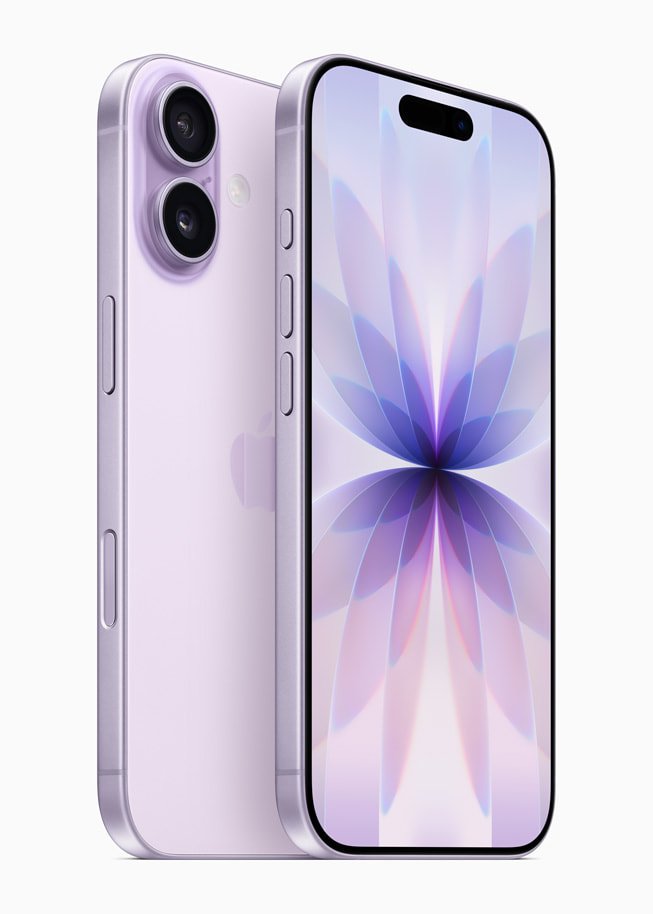
Apple’s current standard iPhone is the iPhone 17. Apple lists the 256GB model at £899 on its UK store. It has a 6.3-inch Super Retina XDR display with ProMotion up to 120Hz, an A19 chip, a 48MP Fusion Main camera, a 48MP Fusion Ultra Wide camera and an 18MP Center Stage front camera.
Why consider it: it fits naturally if you already use a Mac, iPad, Apple Watch or AirPods, and Apple’s ecosystem remains one of the strongest reasons to stay with iPhone.
What to check: Apple does not publish a simple fixed “six years of iOS updates” promise for iPhone 17. It describes its software support as industry-leading, but buyers should avoid treating an exact future end date as guaranteed unless Apple states one.
Timing note: Apple announced iPhone 18 Pro and iPhone 18 Pro Max on 9 September 2026. UK pre-orders open on 12 September and availability begins on 18 September, with iPhone 18 Pro starting at £1,199. If you are considering a high-end iPhone, compare the newly announced Pro models before buying an older Pro model at full price.
2. Samsung Galaxy S26
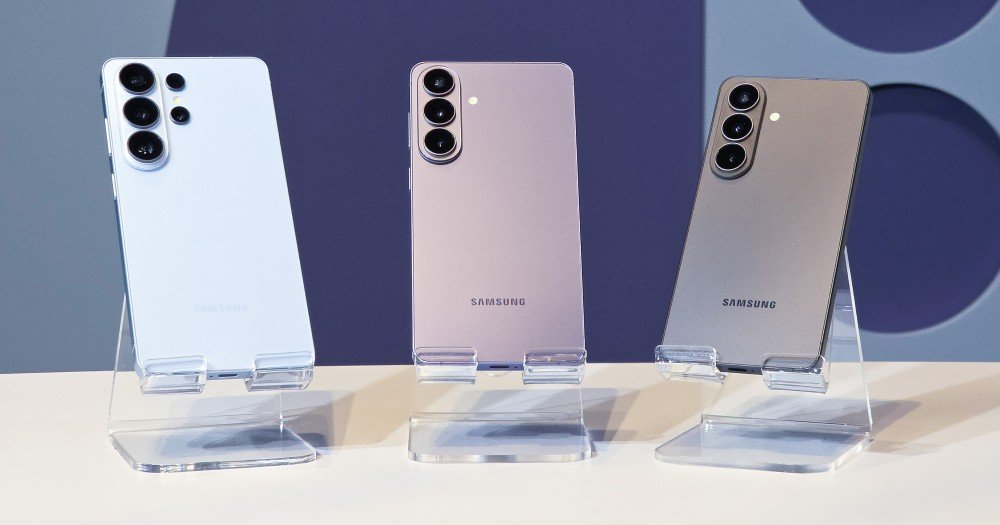
The Galaxy S26 is Samsung’s current compact flagship. Samsung launched the 256GB model at an RRP of £879. It has a 6.3-inch display, a 4,300mAh rated battery and a triple rear-camera setup with a 50MP wide camera, 12MP ultra-wide and 10MP telephoto with 3x optical zoom.
Why consider it: it combines a smaller flagship form factor with Samsung’s camera tools, Galaxy AI features and the wider Galaxy ecosystem.
What to check: Samsung promotions, trade-in offers and storage deals change frequently. Compare the actual checkout price rather than assuming the launch RRP is what you will pay.
3. Google Pixel 11
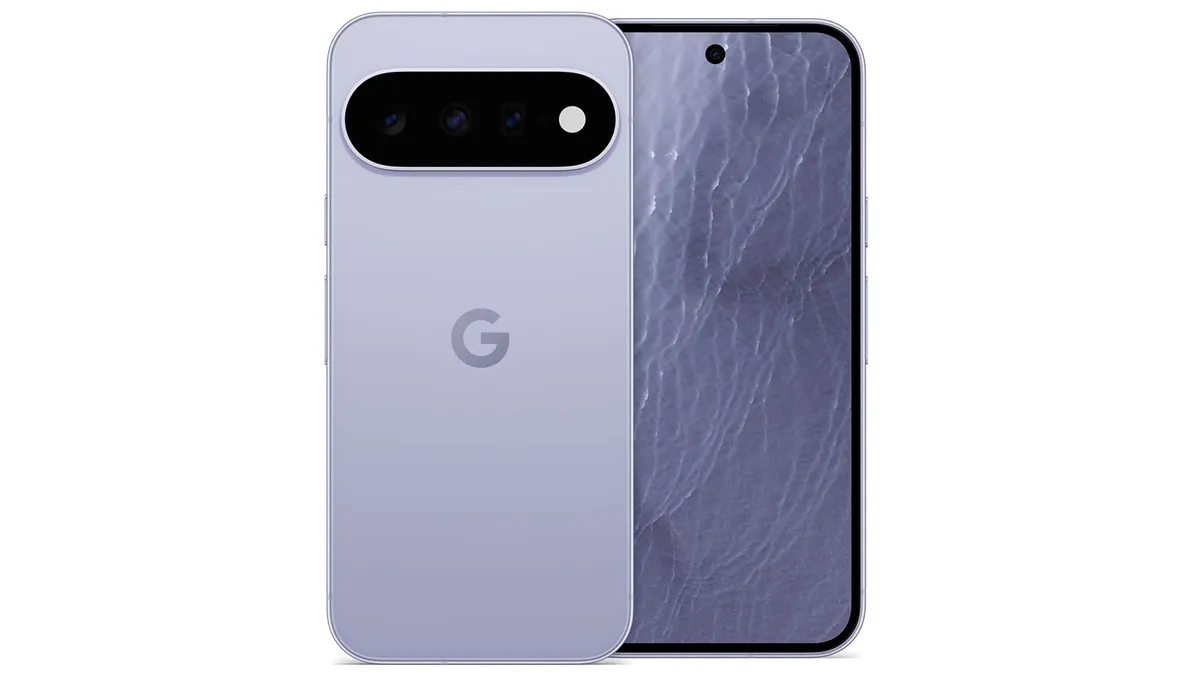
The Pixel 11 is Google’s current standard flagship and is listed from £879 on the Google Store UK. Google promises seven years of OS, security and Pixel Drop updates for the Pixel 11 series.
The Pixel 11 uses Google’s Tensor G6 platform and is designed around Google’s camera processing, Gemini features and Pixel software.
Why consider it: it is a natural fit if you want Google’s Android experience, long update support and close integration with Google’s AI and services.
What to check: promotional bundles can change the value significantly. At the time of this update Google is also offering time-limited accessory bundles, so compare the underlying phone price separately from temporary extras.
4. Nothing Phone (4a)

Nothing’s 2026 mid-range line is the Phone (4a) series. UK launch pricing started at £349 for the 8GB/128GB Phone (4a), with higher storage and Pro versions costing more.
Nothing states that Phone (4a) ships on Android 16 with three years of OS updates and six years of security updates. The phone uses the company’s distinctive Nothing OS design and includes its Essential AI tools.
Why consider it: it gives you a newer mid-range Android option without moving into £800-plus flagship pricing.
What to check: Nothing’s update promise is respectable for the price, but it is shorter on major OS upgrades than Google’s seven-year Pixel commitment and Fairphone’s longer support horizon.
5. Fairphone (Gen. 6)
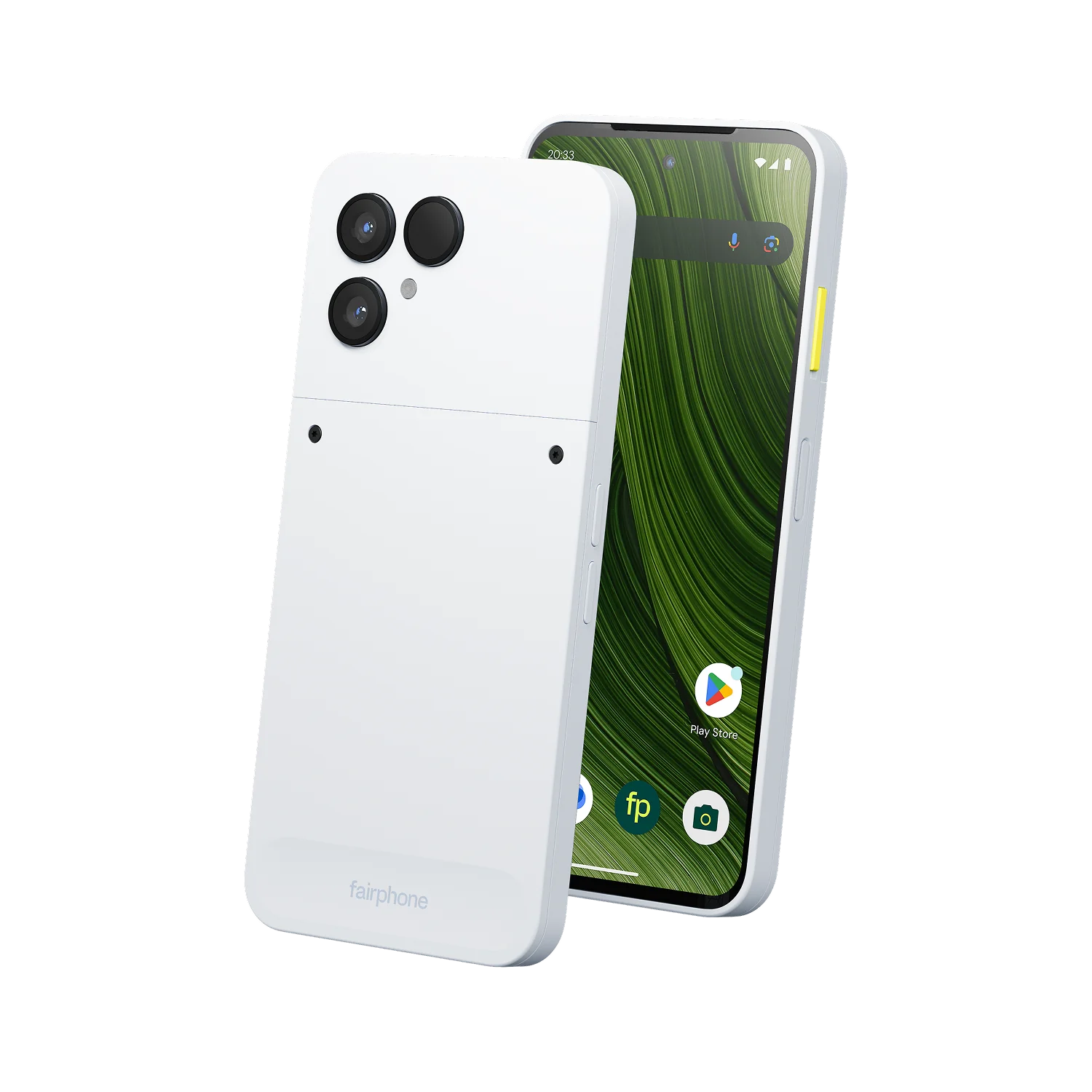
Fairphone takes a different approach from the mainstream brands. The Fairphone (Gen. 6) is built around repairability and longevity rather than headline benchmark performance.
Fairphone says the Gen. 6 has a modular design with up to 12 replaceable spare parts, a replaceable battery, a five-year warranty and software support until at least 2033. The standard model uses a Snapdragon 7s Gen 3 processor, 8GB RAM, 256GB storage, a 120Hz OLED display and a 50MP main camera.
Why consider it: if keeping a phone for a long time, replacing parts yourself and reducing electronic waste matter more to you than owning the fastest flagship.
What to check: Fairphone’s direct European store lists euro pricing, so UK buyers should check current UK availability, taxes, delivery and local retailer pricing before comparing it directly with sterling-priced rivals.
How to choose without relying on a “best” label
The useful comparison is not which phone wins an abstract ranking, but which compromises fit your own use.
- Already deep in Apple: iPhone 17 is the straightforward ecosystem choice, but compare iPhone 18 Pro if you are shopping at the premium end.
- Want a compact Android flagship: Galaxy S26 and Pixel 11 are the main mainstream options in this group.
- Want to spend much less: Nothing Phone (4a) sits well below flagship pricing.
- Care most about repairability and longevity: Fairphone Gen. 6 is the unusual option because its modular hardware and long support commitment are central to the product.
Software support matters more than one benchmark score
A phone that receives updates for longer can remain secure and useful for more years, but support policies are not identical across brands.
Google gives Pixel 11 seven years of OS and security updates. Fairphone says Gen. 6 will be supported until at least 2033 and includes at least seven Android upgrades. Nothing promises three major OS updates and six years of security updates for Phone (4a). Samsung also markets long-term support for its flagship Galaxy devices, but buyers should check the exact policy attached to the specific model rather than assume every Samsung phone gets the same period.
Apple has a strong historical support record, but it does not publish a simple fixed support-end date for iPhone 17 in the same way Google and Fairphone do.
SIM-free or contract?
There is no reliable rule that SIM-free is always £200–£400 cheaper than a contract. The result depends on the handset price, airtime allowance, upfront fee, trade-in, cashback and whether the contract includes interest or other benefits.
The clean comparison is:
- Add the full handset cost and all monthly payments over the minimum term.
- Compare that with the SIM-free phone price plus the cost of a comparable SIM-only plan over the same period.
- Include upfront fees, trade-in credits, cashback and any price rises stated in the contract.
That gives you the real total cost rather than relying on the advertised monthly figure.
Should you wait?
If your current phone still works well, waiting can be sensible because phone prices and promotions change frequently. If you need a replacement now, buy based on your current needs rather than assuming next year’s model will transform the experience.
There is one unusually relevant timing issue this week: Apple has just announced iPhone 18 Pro, with UK availability from 18 September. Anyone considering an expensive iPhone should compare that launch before committing to an older Pro model.
What about refurbished phones?
Refurbished can be a sensible way to lower the purchase price, particularly for older flagships, but condition grades are not standardised across every seller. Check the warranty, battery-health policy, return window, whether the device is network-unlocked and who is actually responsible if something goes wrong.
Manufacturer-refurbished products and established specialist refurbishers can be easier to assess because they publish their own testing and warranty terms. Do not assume “Grade A” means exactly the same thing everywhere.
UK network coverage: check your actual locations
Do not choose a phone contract from a blanket claim that one network is “best in the UK”. Coverage varies by location, building, spectrum band and network congestion.
Use Ofcom’s coverage information and the individual network coverage checkers for your home, workplace and regular travel routes. A network that performs well nationally can still be poor at the places that matter to you.
Official sources checked
- Apple – iPhone 17 technical specifications
- Apple – current UK iPhone pricing
- Apple – iPhone 18 Pro announcement and UK availability
- Samsung UK – Galaxy S26 launch pricing
- Samsung UK – Galaxy S26 specifications
- Google Store UK – Pixel 11
- Google Store UK – Pixel update policy
- Nothing UK – Phone (4a)
- Nothing – Phone (4a) UK launch pricing
- Fairphone – Gen. 6 specifications and support
- Ofcom – mobile coverage information